
Design Notes | Paint Sheen Guide
A few weeks ago, I shared some of my favorite warm white paint colors. While color tends to get all the attention, paint sheen is just as important. The finish you choose affects how light reflects throughout a room, how durable the surface will be, and ultimately how the paint looks once it's on the wall. Here's a simple guide to understanding paint sheens and how I typically use them in my projects.

What is Paint Sheen?
Paint sheen refers to the amount of light a paint finish reflects. The higher the sheen, the shinier and more reflective the surface will appear.
Paint finishes generally range from flat to high gloss. Lower sheens create a softer, more forgiving appearance, while higher sheens are typically more durable and easier to clean.
Choosing the right sheen is just as important as choosing the right paint color, as it affects both the appearance and performance of the finish.
Different Types of Paint Sheens
Flat – A non-reflective finish that helps conceal imperfections and is most commonly used on ceilings.
Matte – Slightly more durable than flat with a soft, sophisticated appearance.
Eggshell – A subtle, low-sheen finish that works well on most interior walls.
Satin – A durable finish with a slight sheen, often used on trim, doors, and cabinetry.
Semi-Gloss – More reflective and durable, commonly used on trim and high-touch surfaces.
Gloss – A highly reflective finish typically reserved for decorative or dramatic applications.

Flat Paint: Best for Ceilings
For ceilings, I almost always specify a flat finish.
Flat paint has little to no sheen, which helps conceal imperfections and creates a soft, seamless appearance overhead. It absorbs light rather than reflecting it, allowing the ceiling to visually recede and keeping the focus on the room itself.
Where I use it:
Ceilings
Matte or Eggshell: Best for Walls
For most walls, I prefer either a matte or eggshell finish.
Both offer a subtle, sophisticated appearance without the shine associated with higher-gloss finishes. They provide enough durability for everyday living while maintaining a soft, elevated look.
Matte finishes have become increasingly popular because many premium paint brands now offer washable formulations that perform beautifully in family homes.
Where I use it:
Living rooms
Bedrooms
Dining rooms
Hallways
Home offices
Satin: Best for Doors, Trim, Baseboards, and Cabinetry
For doors, casing, crown molding, baseboards, and cabinetry, satin is my preferred choice.
Satin provides a slight sheen that highlights architectural details and creates a subtle contrast against the flatter wall finish. It's also more durable and easier to clean, making it ideal for surfaces that receive frequent contact.
The result is polished without feeling overly glossy.
Where I use it:
Interior doors
Door/ Window Trims
Baseboards
Crown molding
Cabinetry
While semi-gloss and gloss finishes certainly have their place, I rarely specify them in residential projects. For most homes, I find satin provides the durability needed while maintaining a softer, more timeless appearance.
Need Help Choosing the Right Paint Colors?
If you’re looking for personalized guidance for your home, our 1:1 virtual design consultation is designed to help you confidently move forward — whether you need help selecting paint colors, refining finishes, or creating a more cohesive feel throughout your space.
My Paint Sheen Formula
If you're looking for a simple approach that works in nearly every home, this is the formula I return to time and time again:
Flat: Ceilings
Matte or Eggshell: Walls
Satin: Doors, trim, baseboards, and cabinetry
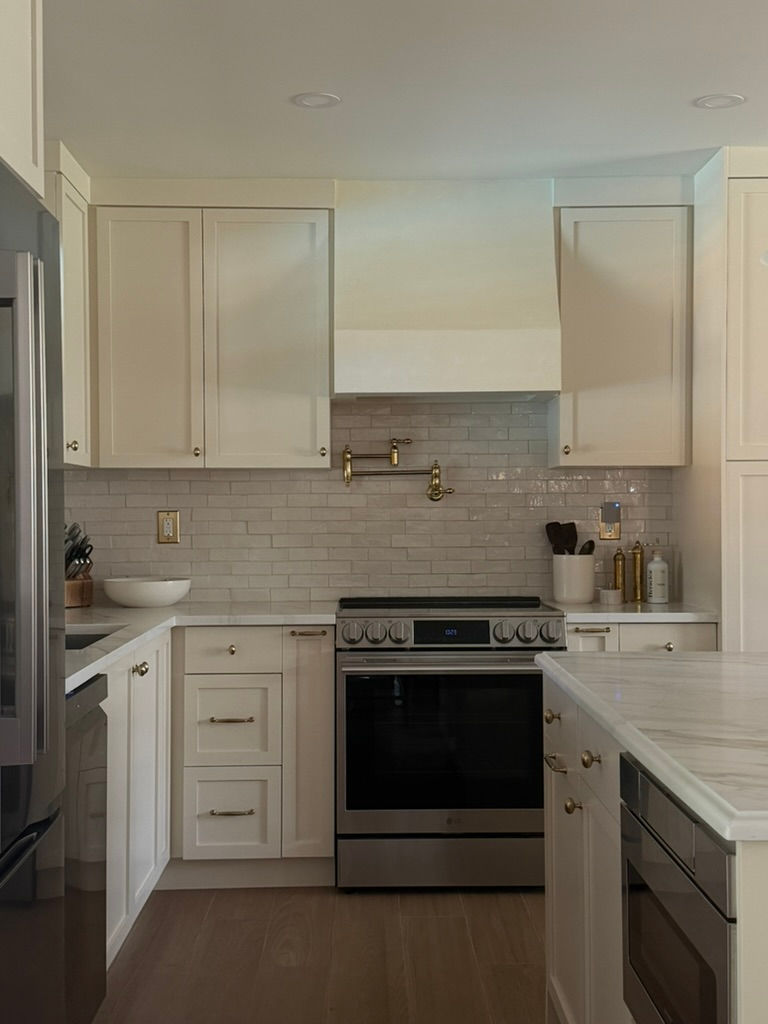
This combination creates subtle contrast, feels timeless, and allows paint colors to be the focus rather than the finish itself.
When in doubt, remember that lower sheens tend to feel softer and more refined, while higher sheens add durability and highlight architectural details. Finding the right balance between the two is what creates a home that feels both beautiful and livable.

Comments